Natural, clinically proven joint and mobility support pets deserve.
Clinically Proven
Works Better & Faster*
PATENTED FORMULA
NATURAL & SUSTAINABLY SOURCED INGREDIENTS
Clinically Proven
Works Better & Faster*
PATENTED FORMULA
NATURAL & SUSTAINABLY SOURCED INGREDIENTS
Clinically Proven
Works Better & Faster*
PATENTED FORMULA
NATURAL & SUSTAINABLY SOURCED INGREDIENTS
Clinically Proven
Works Better & Faster*
PATENTED FORMULA
NATURAL & SUSTAINABLY SOURCED INGREDIENTS
Clinically Proven
Works Better & Faster*
PATENTED FORMULA
NATURAL & SUSTAINABLY SOURCED INGREDIENTS
Clinically Proven
Works Better & Faster*
PATENTED FORMULA
NATURAL & SUSTAINABLY SOURCED INGREDIENTS
Clinically Proven
Works Better & Faster*
PATENTED FORMULA
NATURAL & SUSTAINABLY SOURCED INGREDIENTS
Clinically Proven
Works Better & Faster*
PATENTED FORMULA
NATURAL & SUSTAINABLY SOURCED INGREDIENTS
Clinically Proven
Works Better & Faster*
PATENTED FORMULA
NATURAL & SUSTAINABLY SOURCED INGREDIENTS
Clinically Proven
Works Better & Faster*
PATENTED FORMULA
NATURAL & SUSTAINABLY SOURCED INGREDIENTS
Clinically Proven
Works Better & Faster*
PATENTED FORMULA
NATURAL & SUSTAINABLY SOURCED INGREDIENTS
Clinically Proven
Works Better & Faster*
PATENTED FORMULA
NATURAL & SUSTAINABLY SOURCED INGREDIENTS
Clinically Proven
Works Better & Faster*
PATENTED FORMULA
NATURAL & SUSTAINABLY SOURCED INGREDIENTS
Clinically Proven
Works Better & Faster*
PATENTED FORMULA
NATURAL & SUSTAINABLY SOURCED INGREDIENTS
Clinically Proven
Works Better & Faster*
PATENTED FORMULA
NATURAL & SUSTAINABLY SOURCED INGREDIENTS
Clinically Proven
Works Better & Faster*
PATENTED FORMULA
NATURAL & SUSTAINABLY SOURCED INGREDIENTS
As Seen in
Potent Ingredients, Proven Results.
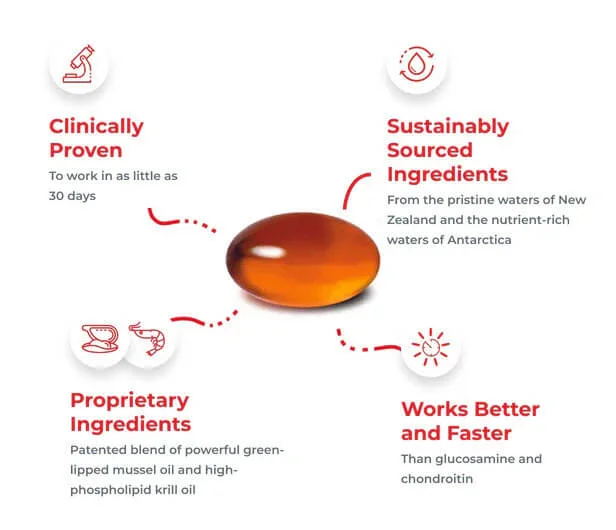
Antinol®Plus is joint care that works as hard as your pet plays. Backed by 40 years of research and three double-blind clinical trials, this natural, clinically proven formula delivers faster results than glucosamine and chondroitin - because your pet deserves nothing but the best.
Shop NowHarnessing the Power of Nature.
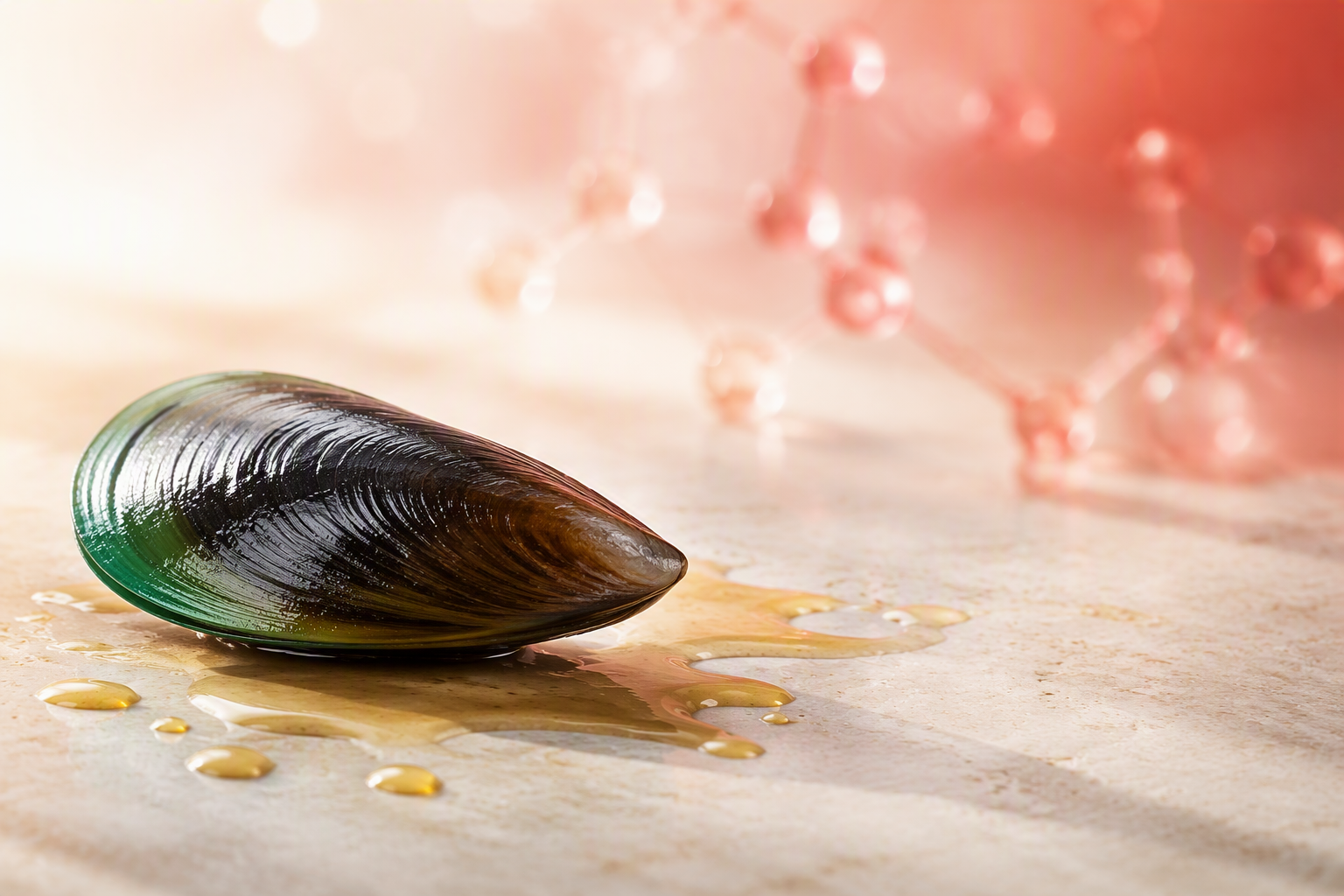
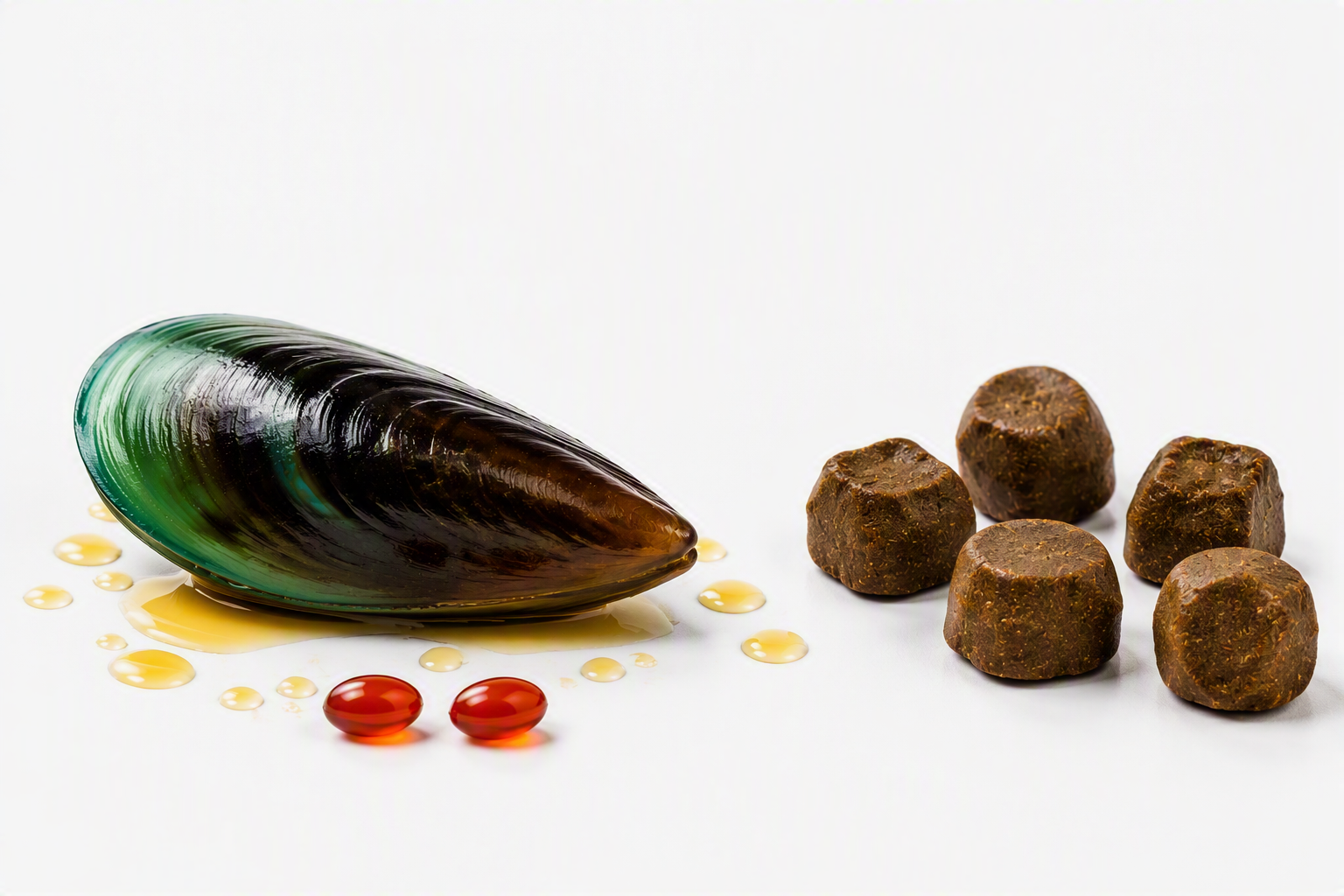
From the pure waters of New Zealand and Antarctica comes a breakthrough in joint care. Antinol Plus combines green-lipped mussel oil and Antarctic krill oil in a potent, natural formula that's as clean and pure as the waters it's sourced from.
Shop Now20 Years of Human Expertise, now for Pets.
From Great HealthWorks - leaders in premium human supplements for over 20 years - comes the same trusted care for your pets' joint and mobility health.
What that means:
Manufactured
in USA from Globally Sourced Ingredients
FDA Registered
Facility
Strictest Quality
Guidelines
Nationwide
Distribution
What Every Pet Parent Deserves:
Every pet deserves the best, which is why our supplements are crafted under strict manufacturing standards and proudly bear the NASC Quality Seal. From ingredient transparency to rigorous quality standards, we ensure your pet gets safe, effective support you can trust.
Look for the Seal
Quality Assurance
Ingredient Transparency
Regulatory Compliance
See for Yourself!
What other pet parents are saying:
Bark & Learn
Explore valuable tips, advice,
and insights into pet health and wellness.
Green-lipped Mussel Oil vs. Glucosamine and Chondroitin
For decades, glucosamine and chondroitin have been the default answer for supporting a dog's joints. They are in nearly every chew on the shelf. But defaults are not always the best option, and a growing body of research is prompting pet parents and veterinarians alike to take a closer look. Here is an honest comparison. The old standard Glucosamine and chondroitin are compounds associated with cartilage, and the logic behind supplementing them is intuitive: give the body more of the building blocks and support the joint. That simple story is a big part of why these ingredients became so widespread. However, when researchers put these ingredients under rigorous testing, the results were not as strong as the marketing had long suggested. What the research shows In recent years, several clinical studies have examined how well glucosamine and chondroitin actually perform, and the findings have raised meaningful questions about how much benefit they deliver on their own. This does not mean pet parents were wrong to try them. It means science has advanced, and there are now more effective, better studied options available. A different mechanism entirely Antinol Plus takes a different approach from glucosamine and chondroitin. Rather than supplying cartilage building blocks and hoping the body puts them to use, Antinol Plus supports the body's own natural process for resolving inflammation, powered by SPMs (specialized pro resolving mediators). You can read how that works in "What Are Specialized Pro Resolving Mediators?". This is a fundamentally more modern approach to mobility support, targeting the biological process behind comfortable movement rather than a single structural ingredient. The clinical evidence behind Antinol Plus This is where the comparison becomes clear. Antinol Plus is backed by four double blind, placebo controlled clinical studies, which is the gold standard of research design. Its patented blend represents more than 40 years of marine lipid science research. Where the older ingredients rely largely on tradition, Antinol Plus is built on evidence you can point to. How fast can you expect results? One of the most common frustrations with traditional joint chews is the long wait, often months, before any change is noticed, if it is noticed at all. Antinol Plus is designed to work faster. Many pet parents see results in as little as 30 days. For a dog whose activity you want to support now, that difference in timeline matters. Making the switch If your dog is currently on a glucosamine and chondroitin product, talk with your veterinarian about whether a clinically studied green-lipped mussel oil approach might be a better fit. Frequently asked questions Does glucosamine really work for dogs? Recent clinical research has raised questions about how much benefit glucosamine provides on its own, prompting many pet parents to explore better studied alternatives. Is Antinol Plus better than glucosamine? Antinol Plus has been clinically proven to work better and faster than glucosamine and chondroitin. How long does Antinol Plus take to work? See visible results in as little as 30 days.Why Do Cats Purr?
Ever wondered why cats purr? Learn the science, communication, and benefits behind this fascinating behavior and how it relates to your cat's wellness.Dog Joint Discomfort Relief: 5 Ideas that Could Help Your Pup
Dog joint discomfort is frustrating — not just for them, but for you, too. One day, they’re zooming across the yard, and the next, they’re hesitating before jumping on the couch. It’s hard to watch and even harder to know exactly what to do about it. At Pet HealthWorks, we focus on practical, science-backed ways to support your dog’s mobility, whether they’re slowing down with age or just dealing with everyday wear and tear. The right approach can make a real difference, and it doesn’t have to be complicated. Interested in discovering more? We have you covered. Read on as we break down what joint discomfort looks like, what causes it, and the most effective ways to help your dog stay comfortable and active. What Are the Signs of Joint Discomfort in Dogs? Dogs are tough, and they don’t always show discomfort the way humans do. That’s why joint issues can sneak up on pet parents. The changes can be subtle at first, but over time, these signs can become more noticeable, making it clear that something isn’t right. Changes in Movement One of the first signs of joint discomfort is a shift in how your dog moves. You might notice: Limping or favoring a leg: This could be subtle at first, like a slight hesitation before walking after a nap. Stiffness, especially in the morning or after rest: If your dog takes a few steps before they loosen up, joint discomfort could be the reason. Reluctance to jump or climb stairs: Struggling to hop onto the couch or hesitating at the bottom of the stairs are common red flags. Changes in Behavior Joint discomfort doesn’t just affect movement — it can change your dog’s entire mood. Some dogs become withdrawn, others get cranky, and some just seem “off.” Watch for: Irritability or uncharacteristic aggression: A normally friendly dog might snap when touched in a sore area. Less enthusiasm for walks or playtime: A dog that used to sprint for the leash but now needs coaxing might not just be tired. Excessive licking or chewing: Dogs instinctively try to soothe discomfort by licking sore spots, especially around joints. Physical Signs In some cases, joint discomfort comes with visible changes in the body, such as: Swollen joints: If a joint looks puffy or feels warm to the touch, inflammation could be at play. Muscle loss: Dogs experiencing discomfort tend to use certain legs less, which can lead to weaker muscles over time. What Causes Joint Discomfort in Dogs? We talked about the signs, but what actually causes joint discomfort in dogs? A big one is wear and tear over time. As dogs age, the cartilage in their joints starts to break down, making movement stiff and uncomfortable. This happens to all dogs eventually, but bigger breeds feel it sooner since their joints take on more stress. Genetics also play a role. Some dogs, like Labradors and German Shepherds, are simply more prone to joint issues. Past injuries — like a rough landing or too much high-impact activity — can also lead to long-term discomfort, even if your dog seemed fine at the time. Extra weight makes things worse by putting more pressure on already stressed joints. And in some cases, underlying health conditions contribute, too. No matter the cause, understanding where joint discomfort comes from is the first step in helping your dog stay comfortable and mobile. What Are Some Ideas To Help Relieve Joint Discomfort in Dogs? Wondering how to help your dog move more comfortably? There are plenty of ways to support mobility and ease discomfort — here are some of them. 1. Maintain a Healthy Weight What your dog eats (and how much) plays a big role in joint health. One of the easiest ways to help protect your dog’s joints? Keep them at a healthy weight. Extra pounds might not seem like a big deal, but even a little added weight puts more pressure on your dog’s joints, especially in the hips, knees, and spine. Over time, that added strain can speed up cartilage breakdown and make everyday movements harder and uncomfortable. Staying lean doesn’t just help prevent joint problems but also makes it easier for dogs already dealing with discomfort to move more freely. Plus, healthy weight often means better energy levels, so your dog can stay active, strong, and happy for the long haul. 2. Make Their Environment Joint-Friendly If your dog struggles to get up and down, small home adjustments can make a big difference. Orthopedic dog beds provide extra cushioning for achy joints, while rugs or non-slip mats can help prevent slipping on hard floors. If they’re hesitant to jump on furniture or get in the car, a pet ramp or stairs can reduce stress on their joints. For dogs that love cozying up on the couch, a supportive bolster bed near their favorite spot might become their new go-to. 3. Add Joint Supplements to Their Routine Even with the right diet and exercise, some dogs need extra joint support. That’s where joint supplements for dogs come in. Antinol Plus is a science-backed option made with green-lipped mussel oil and krill oil, which provide essential fatty acids and specialized compounds that help maintain mobility. Unlike traditional fish oil, the proprietary blend in Antinol Plus is designed to be more bioavailable, meaning your dog’s body can absorb and use it more efficiently. What’s more, clinical studies show improvements in mobility in as little as 30 days. 4. Help Them Recover After Activity If your dog has a big day — whether it’s a long walk, an afternoon at the park, or an unexpected burst of zoomies — helping them recover properly can minimize soreness. Gentle stretching, light massage, or even a warm compress on stiff areas can provide relief. Keeping their activity levels consistent, rather than alternating between long periods of rest and intense bursts of exercise, also helps keep their joints from becoming overly stiff. 5. Alternative Options for Joint Discomfort When it comes to easing joint discomfort, movement done the right way can make a big difference. Gentle massage helps relax tight muscles and improve circulation around sore joints, giving your dog some much-needed relief. Physical therapy and laser therapy go a step further by targeting inflammation, rebuilding strength, and improving mobility over time. And if your dog loves the water, hydrotherapy is a great low-impact option that lets them move freely without putting stress on their joints. These hands-on approaches aren’t just about comfort. They’re about helping your dog stay active, mobile, and feeling like themselves again. A Final Word Every dog is different, but small changes like better nutrition, low-impact exercise, and the right support can go a long way. If your dog’s discomfort seems to be getting worse or they’re struggling more than usual, it’s best to check in with your vet. Joint issues can progress over time, and catching them early makes a big difference in keeping your pup happy and active. At Pet HealthWorks, we know how much you care about your dog’s health. That’s why we created Antinol Plus — a trusted joint supplement backed by science. Thousands of pet parents have already made it part of their dog’s routine, and if you’re looking for extra support, it’s a great place to start. Sources: AKC Canine Health Foundation | Managing Canine... Seven Foods to Help You Fight... | Penn Medicine The information contained within this blog is for educational purposes only and is not intended to serve as a substitute for professional veterinary advice. When introducing new items into your pet's diet, consult with your veterinarian.@antinolplus